
Disaster Recovery for Water-Damaged Archives: Washing, Packing & Cryogenic Stabilization
Field Triage and Packing Guidelines for Water-Damaged Archival Materials
When catastrophic flooding affects an archival facility or special collection repository, the recovery team must act methodically to prevent compounding structural damage. Saturated paper swells quickly, causing bound text blocks to distort.
Field workers must never attempt to close swollen, open volumes forcibly. Forcing wet pages closed tears fragile cellulose fibers because wet sheets cannot slide naturally across one another. Open volumes should be transferred flat on rigid supports and packed loosely in water-resistant crates, separated by sheets of freezer paper or expanded polystyrene. Because standard cardboard storage boxes lose structural strength and collapse when wet, shifting records into ventilated plastic crates ensures structural stability and speeds up downstream blast freezing or drying.
Scientific Mud Removal: The Controlled Multi-Tank Rinsing Protocol
Mud and silt deposits from floodwaters present a dual hazard of abrasive mineral scratching and rapid biological contamination.
Drawing from lessons learned during the historic 1966 Florence flood, mud removal on closed, intact volumes is most safely executed while the materials remain wet, provided running water is accessible. Workers submerge the closed book in a sequence of cleaning tanks, using gentle manual agitation to dislodge heavy silt deposits without abrasive scrubbing. Brushes and mechanical tools must never be applied directly to wet paper surfaces. Once the bulk of the mud is removed, a fine spray of clean running water rinses the exterior edges, and excess moisture is gently expressed by hand pressure alone without mechanical presses.
Stabilization by Cryogenic Freezing: Halting Decay at the Source
Freezing is internationally recognized by preservation bodies as the single most critical stabilization technique for water-soaked paper.
Freezing places fungal spores into complete dormancy, halting microbial cellulose digestion during the vital triage window. Rapid sub-zero cooling also locks water-soluble iron gall inks, historical dyes, and adhesives into stable ice crystal matrixes, preventing destructive capillary wicking.
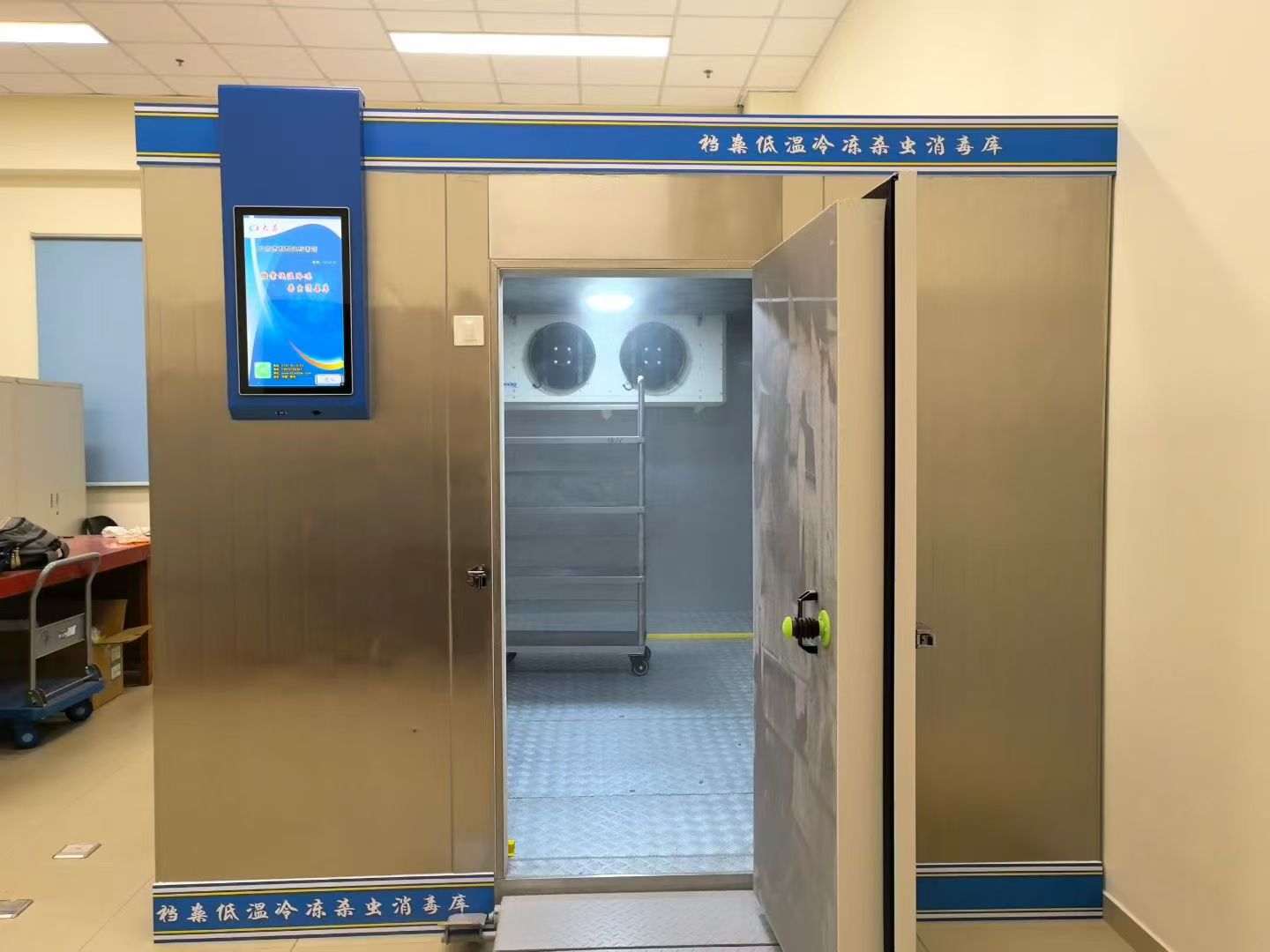
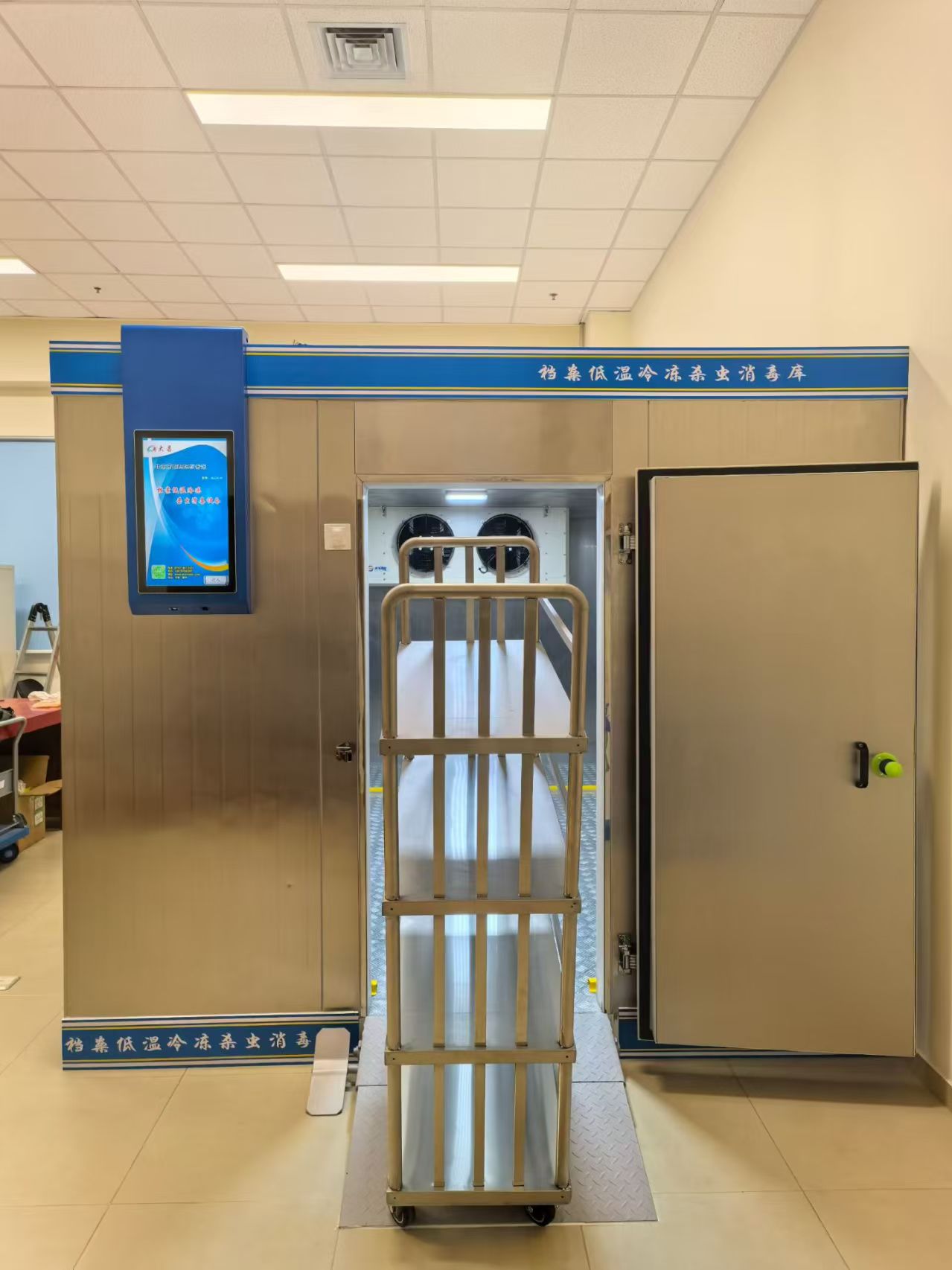
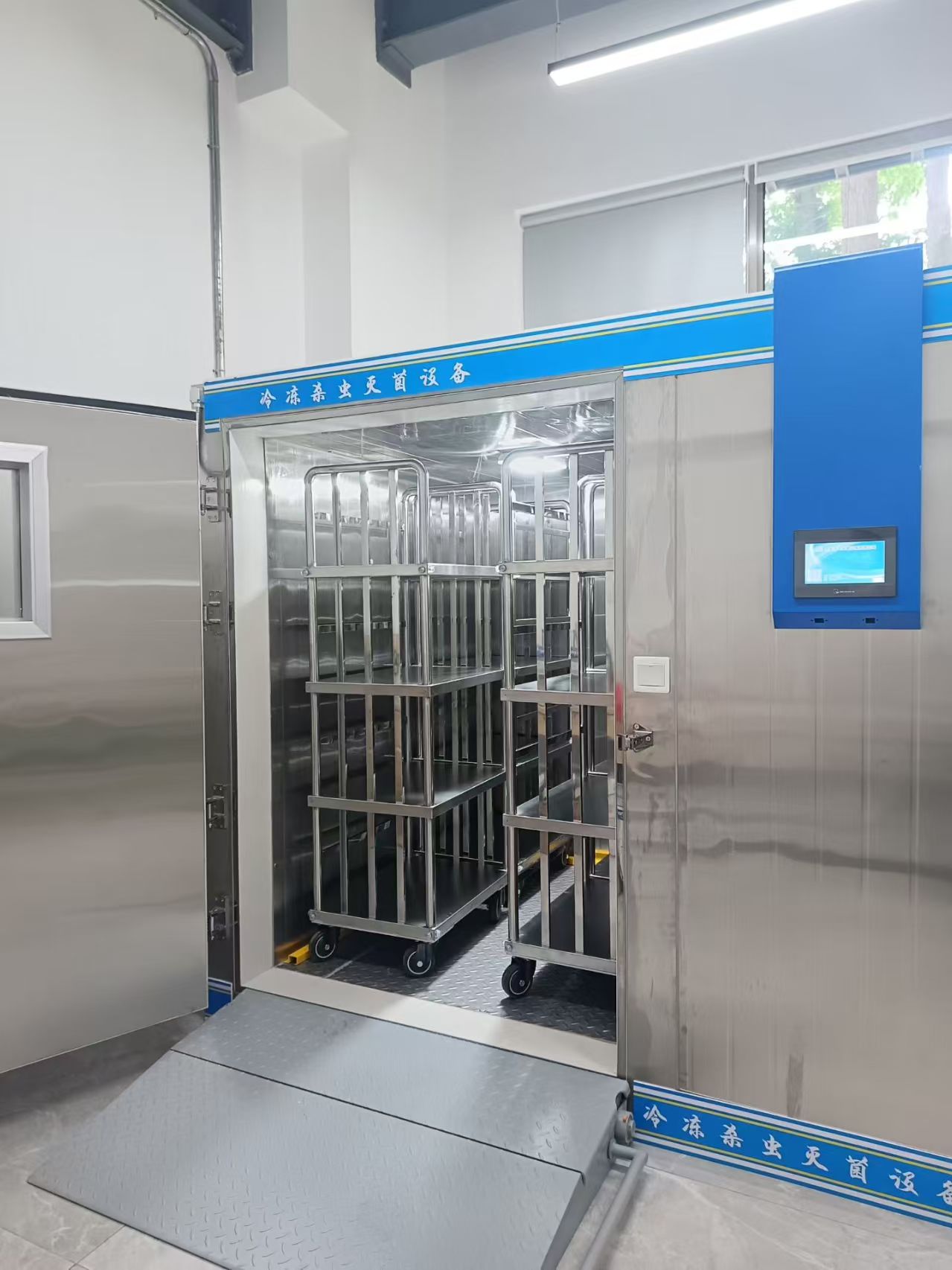
To make downstream handling practical, many institutions utilize programmable low-temperature chambers that run controlled freeze-thaw cycles. By pairing sub-zero freezing with gentle, ambient-pressure drying, these specialized conservation chambers allow fused "book bricks" to release naturally at the fiber level, avoiding the need to pry fragile pages apart manually.
Establishing Controlled Drying and Environmental Equilibrium
Unfrozen materials with low moisture content can be dried under strict ambient conditions. Standard cellulose moisture content sits between 5% and 7% by weight, whereas materials rescued from flood conditions often exceed 20% water content.
Drying rooms require continuous mechanical air circulation, heavy-duty commercial dehumidifiers, and active air conditioning to extract moisture from the air constantly. Warm heat should only be introduced if balanced dehumidification is active, as warm and stagnant air accelerates catastrophic mold blooms within 24 to 48 hours. Continuous hygrometer tracking ensures relative humidity drops steadily until paper stabilizes within conservation equilibrium.
原文链接:https://www.xshiyu.com/germany/daxfsbzx/330.html
Hinweis: Das Urheberrecht liegt bei Ganzhou Dachang Air Conditioning Equipment Engineering Co., Ltd. Für einen kommerziellen Nachdruck wenden Sie sich bitte an den Autor, um eine Genehmigung einzuholen. Für nichtkommerzielle Nachdrucke bitte die Quelle angeben.
Verwandte Empfehlungen
Informationen zur Dateireparaturausrüstung

WeChat hinzufügen
Hauptprodukte: Vakuum-Vorkühlgeräte, Archiv-Insektizid-Desinfektions- und Sterilisationsgeräte, Vakuum-Gefriertrockner, Auftaugeräte, Restaurierungsgeräte für Kulturrelikte, Archivkarten-Restaurierungsgeräte, sauerstoffarme Insektizid- und Desinfektionsgeräte, Vakuum-Geruchsentfernungsgeräte, Staubentfernungs-, Desinfektions- und Reinigungsgeräte, Ultrahochdruck-Sterilisationsgeräte, Tierkomfort- und Betäubungsgeräte für hypoxische Lagerhäuser
Copyright © 2026 Xinshiyu Equipment Alle Rechte vorbehalten.  Gan ICP Nr. 14002809-1 XML
 Gewinner der öffentlichen Nummer 36070202000515