
La guida definitiva per la liofilizzazione industriale: tecnologia, benefici e attrezzature
Se sei in industria alimentare, farmaceutica o biotecnologica, probabilmente hai sentito parlare degli immensi benefici della liofilizzazione. Conosciuta anche come liofilizzazione, questa avanzata tecnologia di asciugatura è diventata lo standard d'oro per la conservazione dei prodotti sensibili alla temperatura mantenendo la loro qualità originale.
Ma come funziona esattamente il processo e perché più aziende stanno aggiornando a liofilizzatori industrialiIn questa guida completa, esploriamo la scienza dietro la liofilizzazione, le sue applicazioni industriali e cosa cercare quando investiamo in macchinari di liofilizzazione commerciali.
Cos'è la liofilizzazione (freeze drying)?
La liofilizzazione è un sofisticato processo di disidratazione a bassa temperatura. A differenza dei tradizionali metodi di essiccazione termica che evaporano l'acqua, la liofilizzazione rimuove l'acqua da un prodotto congelando prima e poi trasformando il ghiaccio direttamente in vapore, un processo fisico noto come sublimazione.
Poiché il processo avviene in una camera a vuoto a temperature estremamente basse, la struttura fisica, gli ingredienti attivi e il valore nutrizionale della materia prima rimangono completamente intatti.
Come funziona un freezer commerciale? Le tre fasi chiave
To understand why freeze-dried products are so high in quality, it is essential to understand the three distinct phases a commercial lyophilizer goes through:
1. The Freezing Phase: This is the most critical step. The product is rapidly cooled below its triple point, turning all liquid water into solid ice crystals. The size of these ice crystals dictates the efficiency of the entire drying cycle.
2. Primary Drying (Sublimation): The freeze dryer creates a deep vacuum environment and applies a very precise amount of heat to the product shelves. The low pressure allows the ice to sublimate directly into water vapor, bypassing the liquid phase. This stage removes about 95% of the water.
3. Secondary Drying (Desorption): In the final phase, the temperature is slightly raised to break the ionic bonds between the material and the remaining water molecules. The result is a perfectly dried product with a residual moisture content as low as 1% to 5%.
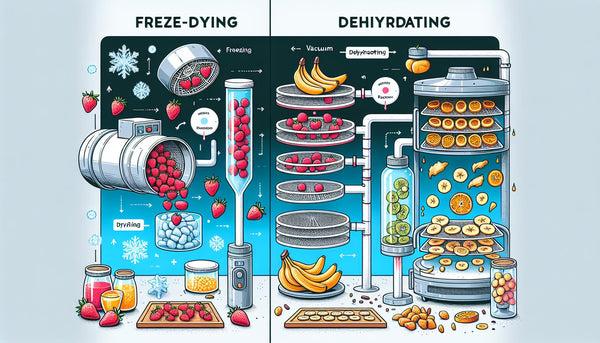
Freeze Drying vs. Dehydration: Why Lyophilization Wins
When business owners research preservation methods, the most common debate is freeze drying versus standard thermal dehydration. While traditional dehydrators are cheaper, liofilizzatori industriali offer unmatched advantages:
Nutritional Retention: Thermal dehydration can destroy heat-sensitive vitamins. Freeze drying retains up to 98% of the original nutritional value.
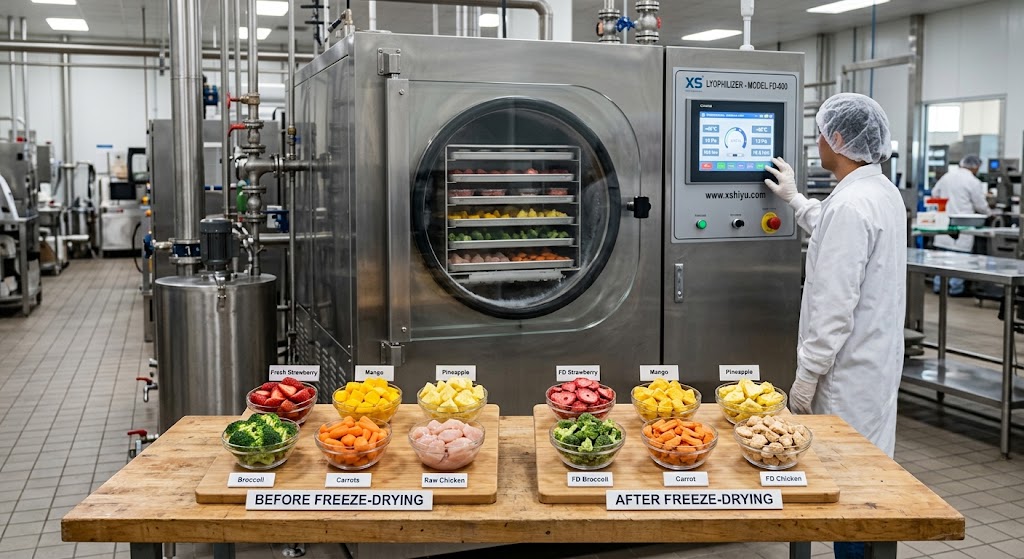
Cellular Structure & Shape: Heat drying causes food to shrink and become tough. Freeze-dried products retain their original shape, size, and vibrant color.
Instant Rehydration: Because lyophilization leaves a porous microscopic structure, freeze-dried products rehydrate almost instantly when placed in water.
Extended Shelf Life: Properly packaged freeze-dried goods can last for 20 to 30 years without refrigeration, drastically reducing supply chain and storage costs.
Top Applications for Industrial Lyophilization Equipment
The versatility of modern freeze-drying machinery has led to explosive growth across several major industries:
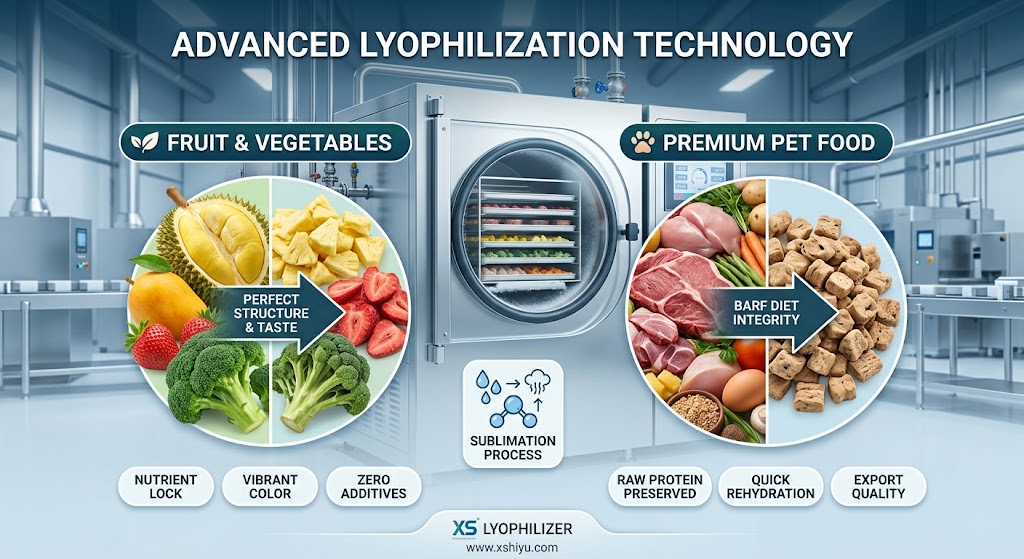
Pharmaceuticals & Biologics: Lyophilizers are essential for stabilizing vaccines, blood plasma, peptides, and injectable drugs that would otherwise degrade at room temperature.
The Food Industry: From instant coffee and freeze-dried fruits to plant-based meals and high-protein pet treats, consumers are demanding lightweight, nutritious, ready-to-eat foods.
Nutraceuticals: Probiotics, enzymes, and superfood powders (like acai and spirulina) rely on freeze drying to keep the biological cultures alive and active.
What to Look for in a Commercial Freeze Dryer
If your facility is ready to scale up production, selecting the right equipment manufacturer is crucial. Here are the top features to look for in a modern industrial lyophilizer:
Precise Temperature & Vacuum Control: Look for systems with advanced PLC touchscreen controllers that allow you to customize and save precise "recipes" (temperature and pressure curves) for different products.
High-Capacity Condensers: The condenser must be able to trap large volumes of water vapor efficiently without freezing over and halting the sublimation process.
Energy Efficiency & Green Technology: Modern units utilize eco-friendly refrigerants and energy-saving vacuum pumps, significantly lowering your daily operational costs.
Sanitary Design: For food and pharma, ensure the chamber and shelves are constructed from high-grade stainless steel (like 316L) to meet strict cGMP and FDA hygiene standards.
Upgrade Your Production with Our Industrial Freeze Dryers
Investing in lyophilization technology is one of the most profitable decisions a manufacturing facility can make. As a leading global manufacturer of premium liofilizzatori industriali, we engineer our equipment for maximum reliability, energy efficiency, and scalability.
Whether you need a pilot-scale lyophilizer for R&D or a massive commercial freeze-drying line for continuous food production, our engineering team can customize the perfect solution for your facility.
Ready to elevate your product quality? Contact our sales team today to request a quote or learn more about our advanced freeze-drying technology!
原文链接:https://www.xshiyu.com/italy/ldgzjzx/316.html
Nota: il copyright appartiene a Ganzhou Dachang Air Conditioning Equipment Engineering Co., Ltd. Per la ristampa commerciale, contattare l'autore per l'autorizzazione. Per ristampe non commerciali si prega di indicare la fonte.
Raccomandazioni correlate
Informazioni sul liofilizzatore

Aggiungi WeChat
Prodotti principali: apparecchiature di preraffreddamento sotto vuoto, apparecchiature di disinfezione e sterilizzazione insetticida per archivi, liofilizzatore sotto vuoto, apparecchiature per scongelamento, apparecchiature per il ripristino di mappe di archivi di reliquie culturali, macchina per insetticida e disinfezione regolata a basso contenuto di ossigeno, macchina per la rimozione degli odori sotto vuoto, apparecchiature per la rimozione della polvere, disinfezione e purificazione, apparecchiature per sterilizzazione ad altissima pressione, attrezzature per il comfort e lo stordimento degli animali in magazzini ipossici
Copyright © 2026 Xinshiyu Equipment Tutti i diritti riservati.  Gan ICP n. 14002809-1 XML
 Vincitore N. Pubblico 36070202000515