
Application fields of slow thawing library
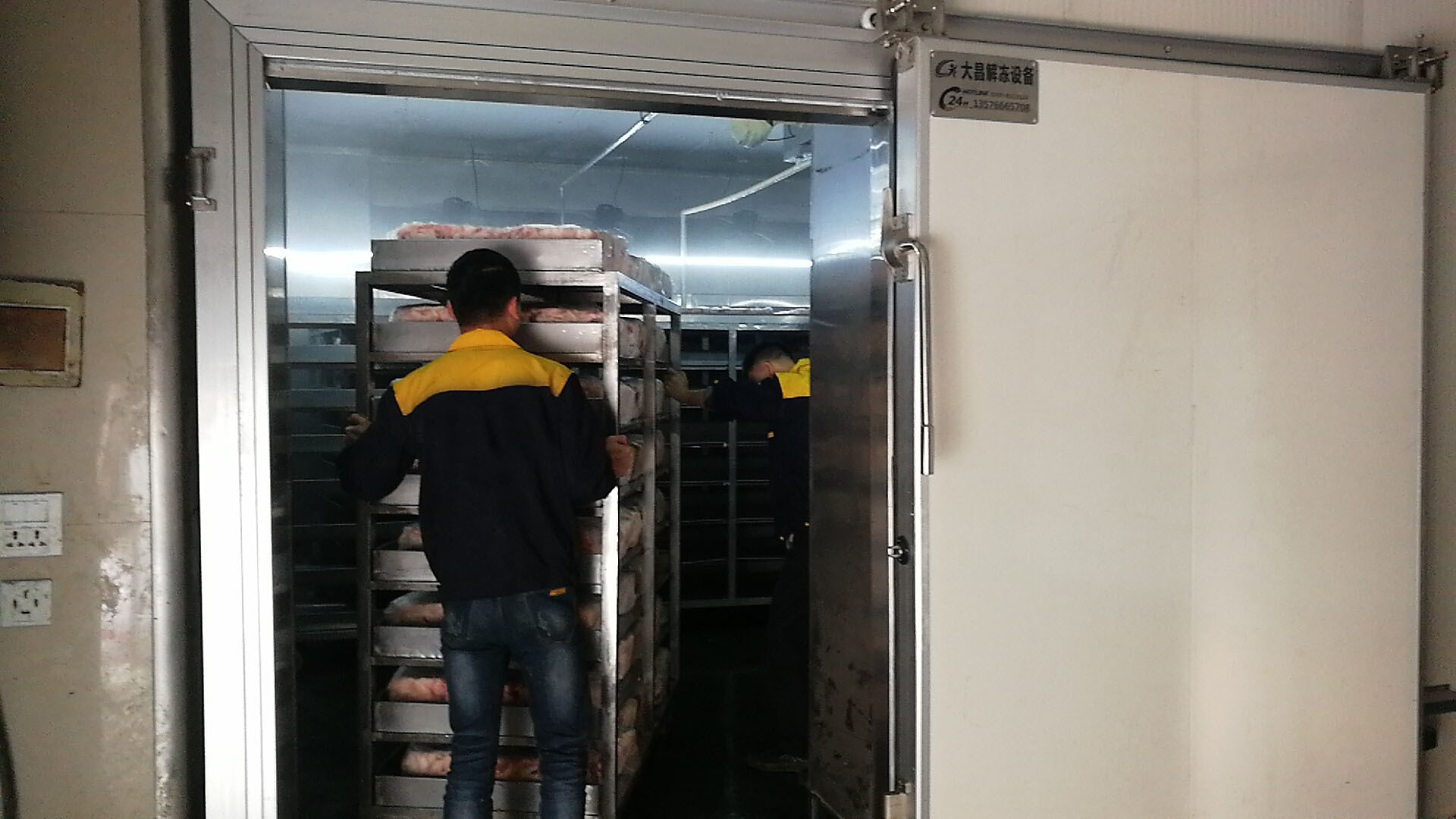
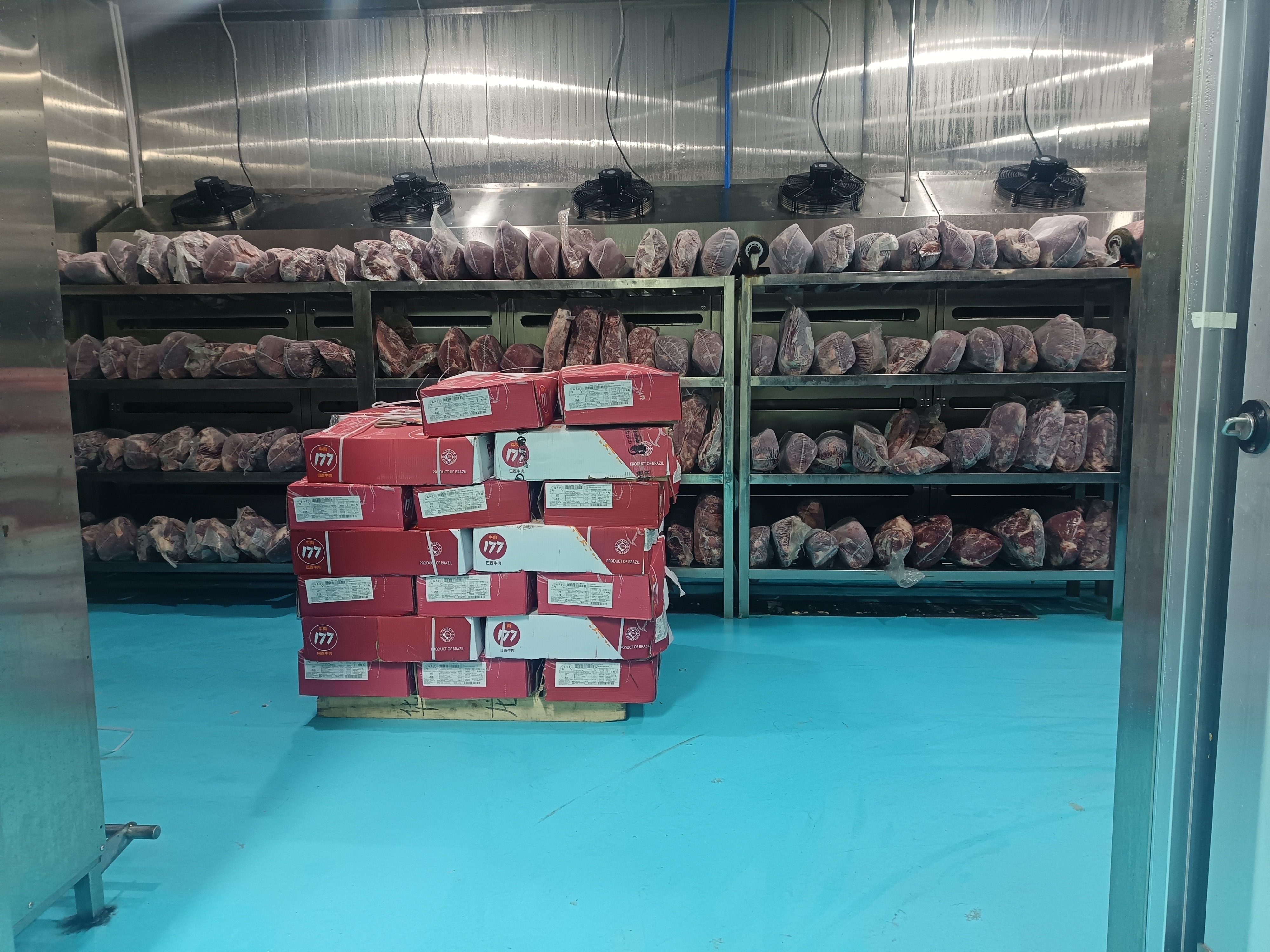
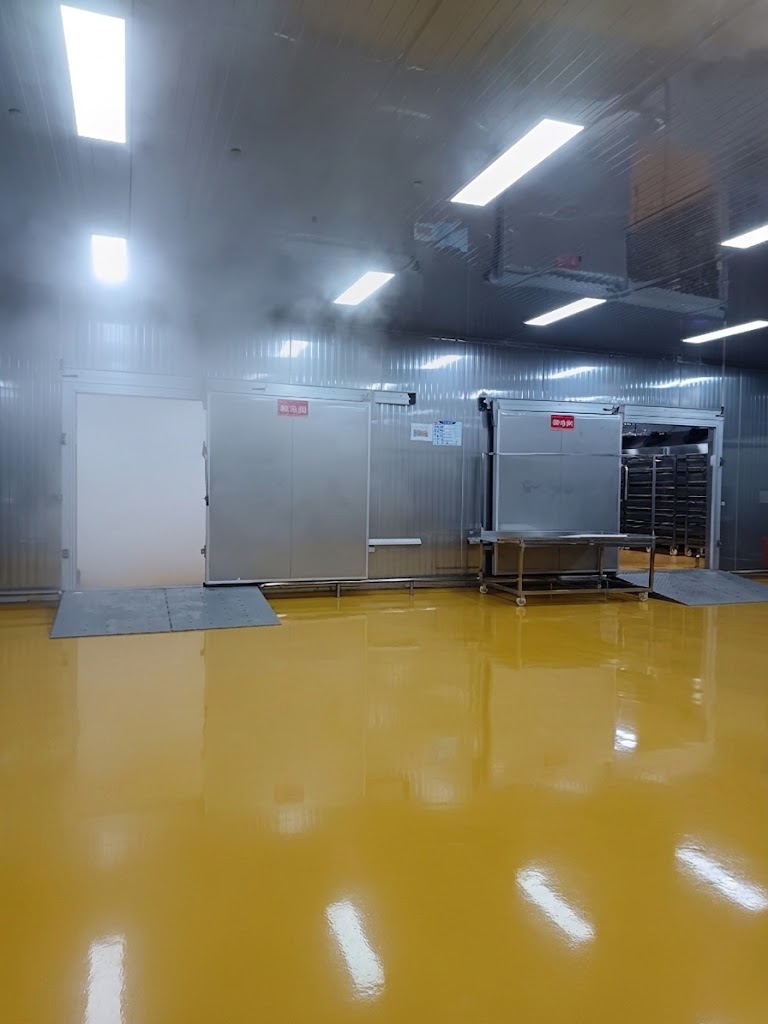
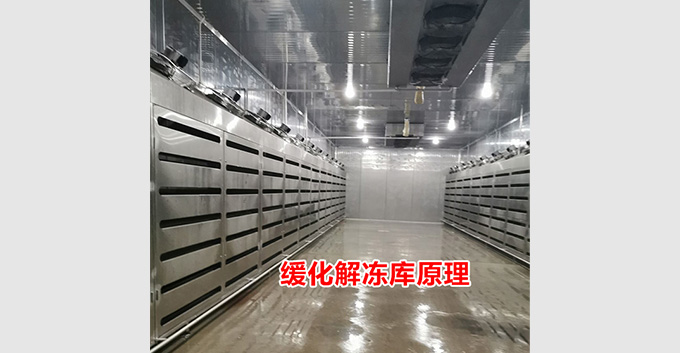
Slow thawing warehouse, also known as low-temperature and high humidity thawing machine, thawing warehouse, and slow thawing warehouse, have different names. For northerners, it is called slow thawing warehouse, while for southerners, it is called low-temperature and high humidity thawing warehouse. The principle is that the thawing method using air as the medium usually includes static air, flow, and pressure methods. However, the forced ventilation thawing method, although it can improve the thawing speed, brings negative effects such as drying of the surface of the thawed product and a decrease in quality. The slow thawing warehouse adopts a low-temperature humidification method, allowing high humidity air to circulate in a low-temperature environment, creating a high humidity air circulation inside the thawing room, and avoiding the phenomenon of surface dryness of thawed products. So, what are the main applications of the slow thawing library in? Please continue reading below:

The slow thawing warehouse can be applied in various fields, including meat, aquatic products, fruit and vegetable preservation, and fried foods. In addition, the device can also be used for freezing meat, seafood, and thawing other types of products.
That's all for our brief introduction to the application areas of the thawing and thawing warehouse. Specifically, the meat thawing warehouse can be used for thawing pork, beef, lamb, chicken, and other meats; The seafood thawing warehouse can be used for thawing seafood products such as fish, shrimp, crabs, shellfish, etc; The fruit and vegetable preservation warehouse can be used for the preservation of fruits such as apples, pears, bananas, as well as vegetables such as spinach, carrots, tomatoes, etc; And fried foods can be used for the production of various fried snacks.
Original link: https://www.xshiyu.com/jdsbzx/192.html
Note: The copyright belongs to Ganzhou Dachang Air Conditioning Equipment Engineering Co., Ltd. For commercial reprints, please contact the author for authorization. For non-commercial reprints, please indicate the source.
Related Recommendations
Unfreezing device information

Add WeChat
Main products: Vacuum pre cooling equipment, archive insecticidal disinfection and sterilization equipment, vacuum freeze dryer, thawing equipment, cultural relic archive image restoration equipment, low oxygen insecticidal disinfection machine, vacuum deodorization machine, dust removal disinfection and purification equipment, ultra-high pressure sterilization equipment, low oxygen chamber animal comfort equipment
Copyright © 2026 Xinshiyu Equipment All rights reserved. Gan ICP No. 14002809-1 XML
 Gan'an Public No. 36070202000515