Some common maintenance methods and common troubleshooting of vacuum freeze dryers (detailed explanation)
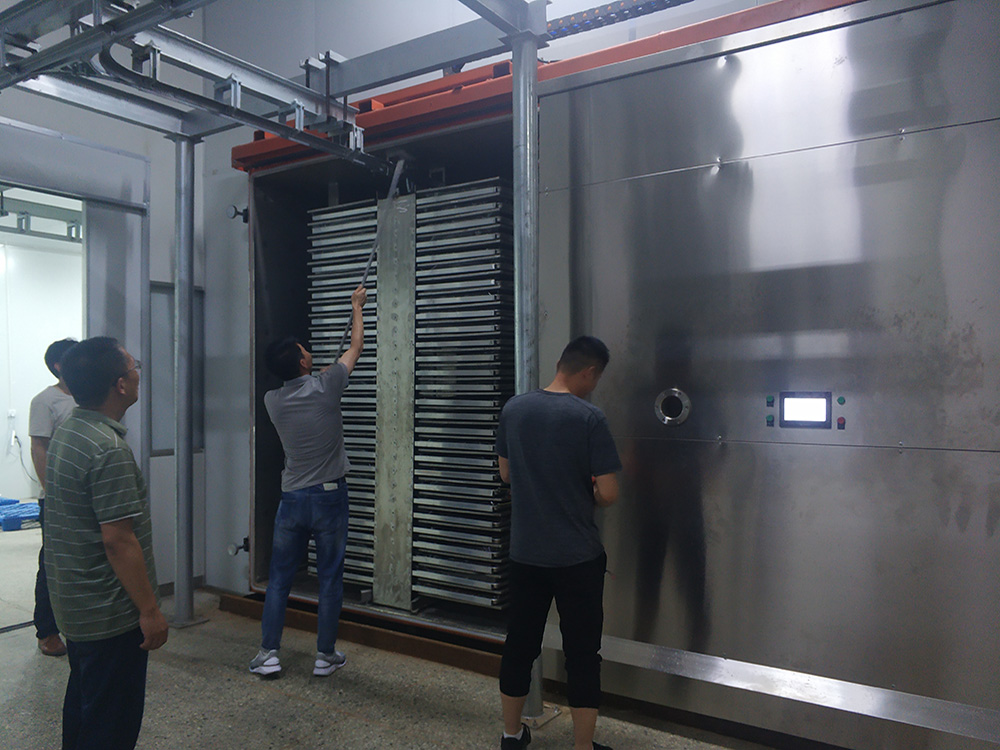
Everyone knows that the role of the vacuum freeze dryer is to freeze dry food, fruits, vegetables, medicine and other items. So what are the maintenance methods and common problems of the vacuum freeze dryer? The following are some useful methods compiled by Ganzhou Dachang Air Conditioning. For your reference:
Routine maintenance of refrigeration system
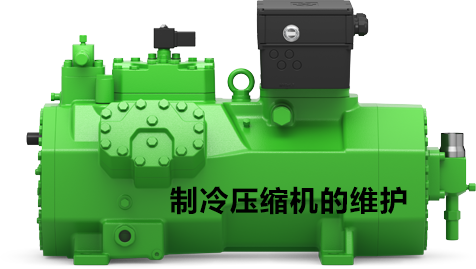
1. Routine inspection before starting the machine every time
1. Are all stop valves (compressor suction and exhaust valves, liquid supply valves, hand valves, etc.) open;
2. Whether the readings of each pressure gauge are normal (0.6~0.7 MPa);
3. Whether the compressor oil level is normal (1/4~3/4); 4) Whether the cooling water pressure (above 0.1 MPa) and temperature are normal.
2. Pay attention after sending power
1. Whether the compressor collects liquid automatically;
2. Whether the oil pressure difference is reset, etc.;
3. Check the heating condition of the crankcase heater. The temperature of the crankcase should be 20°C higher than the ambient temperature.
3. Pay attention after turning on the machine
1. Whether the compressor operation sound is normal;
2. Is there any abnormal vibration in the refrigeration pipeline?
3. Whether the vibration of the compressor itself is in the appropriate position;
4. Whether the flow rate of the sight glass is normal;
5. Frosting of the expansion valve;
6. Compressor frost return situation.
4. The refrigeration oil of the refrigeration compressor should be replaced every six months or one year depending on the situation.
1. The water condenser needs to be cleaned regularly, usually one year. It is removable and washable, and can also be cycled with water treatment detergent. For air-cooled units, clean the outer surface of the condenser in time.
2. Note that the compressor cannot be started frequently, and the start interval should be greater than 3 minutes.
Frequently asked questions and solutions
1. High pressure: Too high pressure, high pressure alarm
1. There is too much refrigerant and the exhaust pressure is high. Part of the refrigerant should be released.
2. The cooling water temperature is high, the flow is insufficient or the water condenser is scaled.
3. There is a leak in the low-pressure section of the refrigeration pipeline and air is sucked in.
4. The high-pressure exhaust valve is not fully opened or damaged, resulting in poor exhaust (it can be reset by pressing the fire alarm reset button, which is on the high-pressure pressure relay).
2. Oil pressure difference alarm
1. Poor oil return results in insufficient oil level in the compressor crankcase and the oil pump cannot absorb oil. It is generally necessary to replace the oil separator with a new one.
2. The oil is dirty, causing the oil pump filter to become clogged. The oil needs to be changed and the oil filter cleaned.
3. The oil pressure difference relay fails. Replace with new oil pressure difference relay.
4. The oil pump fails. Replace with new oil pump.
5. The refrigeration system evaporates poorly and refrigerant enters the crankcase. Bringing refrigeration oil into the system, causing the oil pressure to be too low. Close the liquid supply valve at the condenser outlet or adjust the thermal expansion valve (increase the superheat of the system).
6. The oil pressure difference relay takes effect 90 seconds after the compressor is started. If there is no oil pressure difference yet, an alarm will be issued. After the alarm, the alarm can be cleared by resetting the reset button on the oil pressure difference relay.
3. Compressor thermal protection (motor temperature exceeds 85 ℃)
Because the return air volume of the system is insufficient, the motor is not sufficiently cooled.
Solution
1. Adjust the intercooling expansion valve to increase the circulation of the system to fully cool the motor.
2. Check whether the liquid supply pipeline is blocked (liquid supply cut-off valve, dry filter, solenoid valve, filter in front of the expansion valve, etc.). If blockage occurs, resolve it.
3. Check whether the return air pipeline and the suction filter of the compressor are clogged, and repair them if they are clogged.
4. Check whether there is a lack of refrigerant. If it is missing, replenish it. The alarm occurs after electronic thermal protection. Turn off the 220 V control power supply of the thermal protection and restart it to eliminate the alarm.
4. Water pressure alarm
1. The cooling water pressure is lower than the pressure set by the water pressure relay. It is necessary to ensure that the cooling water pressure is higher than the pressure set by the water pressure relay; to ensure the cooling effect and the high pressure of the compressor without alarming, the pressure set by the water pressure relay can be appropriately lowered.
2. The water pressure relay fails. The water pressure relay needs to be replaced (as long as the water pressure is higher than the pressure set by the water pressure relay, the alarm can be eliminated.)
5. The compressor cannot start
1. One of high pressure alarm, oil pressure difference alarm, electronic thermal protection and water pressure alarm. It is necessary to find the cause of the alarm and eliminate it.
2. The instant starting current is too large, resulting in thermal overload protection or air switch protection. It is necessary to find out the cause of the large current and reset the thermal overload before starting.
3. The compressor crankshaft and piston cylinder are seized. Compressor needs repair.
4. The control system is faulty and there is no output control of the compressor. It should be solved by our company's software personnel.
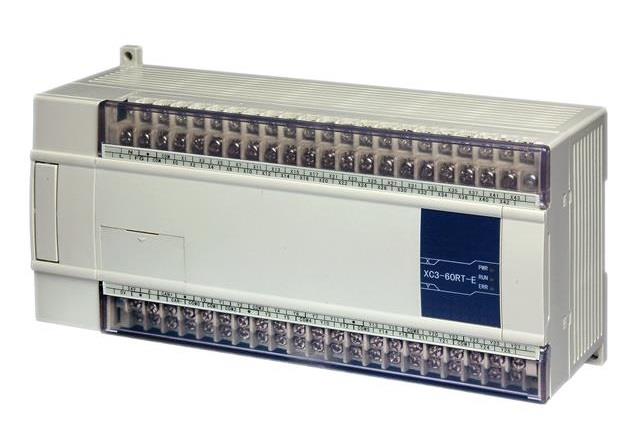
5. Electrical system failures such as PLC failure, AC contactor failure, etc. After confirming that the electrical component is faulty, replace it.
6. The compressor suddenly stops automatically during operation.
1. At least one of the high-pressure alarm, oil pressure difference alarm, electronic thermal protection, and water pressure alarm will alarm during operation.
2. AC contactor failure, overload protection, and compressor motor suddenly burned out during operation.
3. Liquid shock or oil shock occurs during operation, and the piston or crankshaft seizes.
4. The control program becomes temporarily unstable during operation, and suddenly there is no output.
7. The cooling effect of the refrigeration system is not good
1. The expansion valve is opened too large or too small. If the expansion valve is opened too large, the compressor itself will be severely frosted and the liquid flow rate will be too large. If the expansion valve is opened too small, the liquid flow rate will be insufficient. The expansion valve needs to be adjusted to make the compressor reach the standard operating conditions.
2. The refrigeration system is blocked, such as the filter is clogged, the expansion valve is clogged, the relevant valves are not open or not fully open, the solenoid valve is malfunctioning, etc. It is necessary to find the location and cause of the blockage and clean it in time.
3. Insufficient refrigerant. An appropriate amount of refrigerant needs to be added.
4. The paper pad on the upper part of the compressor valve plate or the lower part of the cylinder is punctured or broken, or the compressor suction and exhaust valve pieces are broken. It is necessary to replace the paper pad or exhaust valve piece with a new one.
Common maintenance measures
1. How to detect leaks
1. Pressurize the system and charge nitrogen to 1.4 MPa. After the four pressure gauges of high, medium, low and oil are balanced, record the readings of each gauge. After maintaining the pressure for several hours (usually more than 24 hours), check whether the readings of each pressure gauge drop. If it drops, it indicates a leak in the system. You can use soapy water to smear suspicious points to detect leaks.
2. The prerequisite for using a halogen lamp to check each suspicious point is that there is refrigerant in the system and the readings of the four meters are balanced (above 0.5 MPa).
3. Use an advanced leak detector. You can use a helium mass spectrometer to evacuate the pipeline first. After reaching the limit, turn off the vacuum pump and use a helium mass spectrometer to evacuate. Spray helium gas at the suspected leak point. Through the instrument display on the helium mass spectrometer, you can see the specific location of the leak point with very high accuracy.
2. How to charge refrigerant
1. Before charging the refrigerant, be sure to confirm the quality of the refrigerant. Make sure there is no problem with the quality before charging. Inferior refrigerant is extremely destructive to the compressor and refrigeration system. It may affect the operation of the refrigeration system at least, or damage the compressor at worst.
2. It can be filled from the low-pressure suction port of the compressor. The cylinder is strictly prohibited to be placed upside down and lying flat. Air is prohibited from entering the refrigeration system during filling.
3. Before charging refrigerant, please first determine whether the system is completely charged or supplementary. If it is the former (especially if the pressure maintenance and leak detection operation has just been performed), it is recommended to vacuum the system first; for the latter, please drain the air in the system and then make appropriate replenishment of the refrigerant.
4. If the refrigerant is an azeotrope, there is no need to turn the cylinder upside down and lie flat, and charge it directly into the system; if it is a non-azeotropic refrigerant, you can consider turning the cylinder upside down and lying flat (that is, the outlet is liquid), but the refrigerant tank valve should be closed as small as possible to avoid liquid shock in the compressor.
5. Before charging, please ensure that the connected pipe does not leak, connect it to the discharge port of the refrigerant tank, then open the valve to remove the refrigerant in the connected pipe, and then connect the other end of the connected pipe to the angle valve on the gas-liquid separator; observe the pressure value of each pressure gauge, the number of bubbles on the sight glass and the amount of back-frost in the compressor to determine the refrigerant charging amount.
3. How to adjust the expansion valve
1. Turn clockwise to reduce the flow rate of the expansion valve, and turn it counterclockwise to increase the flow rate of the expansion valve.
2. The amount of frost on the compressor suction port and the amount of bubbles in the sight glass can indirectly reflect the opening degree of the expansion valve. When adjusting the expansion valve, the adjustment amount should not be too large each time, and the time interval between two times should not be less than 15 minutes in order to observe the operating trend of the system. Once the expansion valve is adjusted, do not move it again unless the operating conditions change significantly.
4. How to collect liquid
First close the liquid outlet valve of the water condenser and start the compressor. After 10 seconds, open the plate cooling solenoid valve and the condensation solenoid valve. Run the compressor for 5 to 8 minutes. Check the medium pressure of the compressor. Stop the compressor when the medium pressure is around 0 kgf/cm. At the same time, close the liquid inlet valve of the water condenser. Freon will collect liquid into the water condenser.
5. Replace and clean the filter
After the refrigeration system has been running for more than one year, it is recommended to replace the filter element of the dry filter and the return air filter once a year. If it cannot be replaced, it should be removed and cleaned with gasoline.
6. How to change refrigeration oil
1. Close the compressor suction valve, manually reset the oil pressure safety controller, start the compressor, and discharge the refrigerant in the compressor into the system. When the pressure in the compressor is balanced with the atmospheric pressure, turn off the compressor (cut off the power supply) and close the compressor exhaust stop valve. At this time, the pressure in the compressor will rise again. Open the connector on the exhaust stop valve to drain the stored air.
2. Unscrew the oil drain plug from the compressor oil drain port, take out the oil filter and drain out the dirty oil.
3. Use gasoline to clean the metal powder on the oil plug of the oil filter, dry it, reinstall it and tighten the oil drain plug.
4. Unscrew the plug on the upper left side of the compressor oil sight glass, connect the oil-filled pipe to the oil barrel, and evacuate the compressor. The refrigerated oil will be automatically sucked into the compressor by atmospheric pressure.
5. The oil change amount only needs to expose 1/4 of the compressor oil sight glass, and then screw on the plug.
6. Use a vacuum pump to extract the air from the compressor.
7. Open the compressor suction and exhaust stop valve to put the compressor into operation.
7. Use of refrigeration oil
Generally speaking, the refrigeration oil should be replaced after the first 100 hours of operation of the refrigeration system, and the refrigeration oil should be replaced after another 10,000 to 12,000 hours of operation. When changing the oil, the oil level only needs to be exposed to 1/4 of the sight glass. Do not add more oil. Too much oil can easily cause oil shock. Generally, special refrigeration oil should be used in accordance with the requirements specified by the manufacturer.
8. How to discharge air from the refrigeration system
Close the liquid outlet valve of the water condenser and start the compressor. After 10 seconds, open the plate cooling valve and the condensation valve. After running continuously for 5 minutes, turn off the compressor. After 10 minutes, let the refrigerant cool to a liquid and all the air is above the liquid. Pass the liquid inlet valve of the water condenser, unscrew the nut next to it, and twist the valve stem clockwise to discharge the air.
9. Compressor liquid hammer problem
When liquid refrigerant or lubricating oil is sucked into the compressor cylinder along with the gas, it will damage the suction valve plate. Liquid shock can cause damage to valve plates, pistons, connecting rods, crankshafts, and piston pins in a very short period of time. Reducing or preventing liquid from entering the cylinder can prevent liquid hammer from occurring. A common phenomenon caused by liquid hammering is the breakage of the suction valve plate and the breakage of the connecting rod.
The liquids that cause compressor liquid shock are mainly the following types:
1. Liquid return, that is, liquid refrigerant or lubricating oil flowing back from the evaporator to the compressor;
2. Foam when starting with liquid;
3. There is too much lubricating oil in the compressor.
We will briefly introduce some common maintenance methods and common troubleshooting (detailed explanations) of vacuum freeze dryers here. It should be noted that the content listed above should be determined according to the actual situation of the equipment; if you need more detailed information about the fault, please contact our technical engineers for answers.
Original link: https://www.xshiyu.com/ldgzjzx/186.html
Note: The copyright belongs to Ganzhou Dachang Air Conditioning Equipment Engineering Co., Ltd. For commercial reprinting, please contact the author for authorization. For non-commercial reprinting, please indicate the source.
Related recommendations

Add WeChat
Main products: vacuum pre-cooling equipment, archive insecticidal disinfection and sterilization equipment, vacuum freeze dryer, thawing equipment, cultural relics archive map restoration equipment, low oxygen adjusted insecticide and disinfection machine, vacuum odor removal machine, dust removal, disinfection and purification equipment, ultra-high pressure sterilization equipment, hypoxic warehouse animal comfort and stun equipment
Copyright © 2026 Xinshiyu Equipment All rights reserved. Gan ICP No. 14002809-1 XML
 Winning Public No. 36070202000515